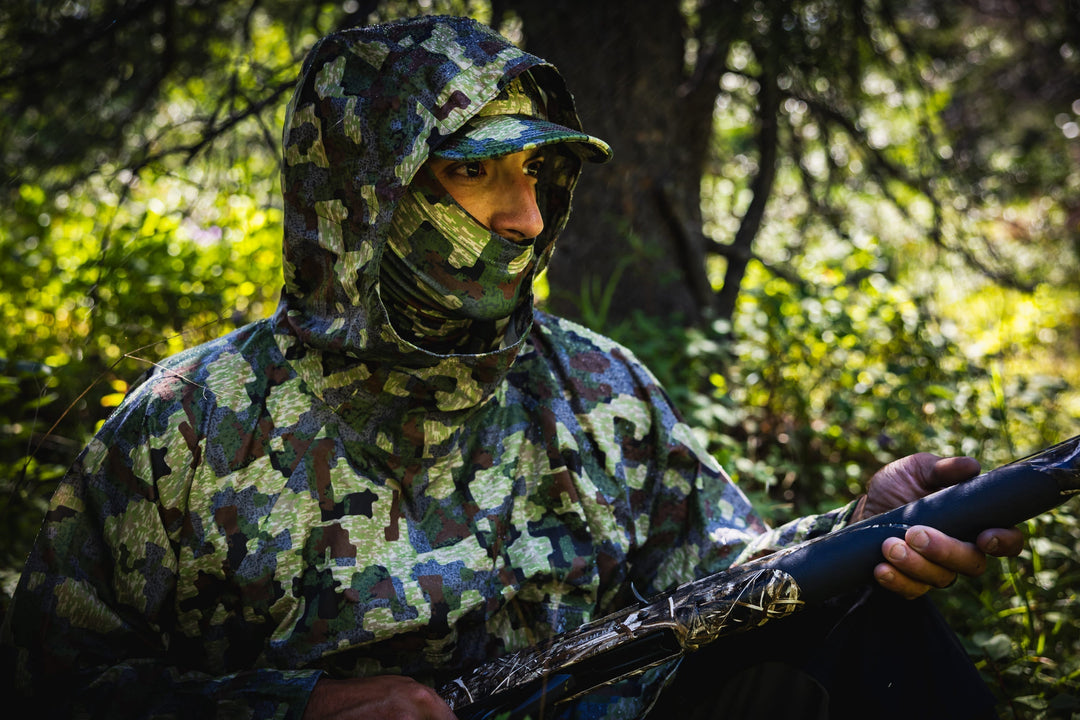
Packing your hunting backpack the right way can mean the difference between a successful trip and a hike cut short by fatigue, frustration, or forgotten gear. A well-organized pack keeps your gear accessible, your load balanced, and your mind focused on the hunt—not racing to remember where you packed your binoculars.
Whether you're heading out for a quick morning sit or a multi-day backcountry elk hunt, knowing how to pack a hunting backpack will improve your comfort, safety, and overall success in the field.
|
Table of Contents |
Choosing the Right Hunting Backpack
Before you pack, it’s essential to start with the right hunting pack. A backpack that fits well, matches the type of hunt, and accommodates your gear can drastically reduce fatigue and improve mobility.
When choosing a hunting backpack, consider the duration and type of hunt. Are you hunting whitetail from a treestand or chasing elk deep in the backcountry? Do you need to haul out meat, or is this a minimalist day trip? These details will guide your selection.
What to Look for in a Hunting Backpack
Look for these key features:
- Capacity: Choose a hunting pack size that matches your trip. For quick day hunts, a 2,800-3,200 cubic inch pack is often enough. For multi-day backcountry hunts, look for 5,000–7,000+ cubic inches.
- Durability and Quiet Fabric: Select packs made with rugged, tear-resistant material that won't rustle or squeak while you move.
- Weather Resistance: Waterproof or water-resistant fabrics help protect your gear from unexpected weather. Consider packs with built-in rain covers.
- Frame vs. Frameless: Internal or external frames offer more support for heavy loads and are ideal for hauling meat. Frameless designs are lighter and better for short hunts.
- Load Support and Comfort: Adjustable hip belts, padded shoulder straps, and a solid suspension system prevent fatigue and injury.
- Organization and Pockets: Multiple compartments, side pouches, and gear loops make it easy to separate essentials and reach for what you need without unpacking everything.
Hunting Pack Recommendations

Perfect for early-season hunts, short trips, or whitetail and turkey hunting. This lightweight and versatile option is one of the best hunting day packs for minimalist gear setups.
A few key features:
-
Lightweight webbing loops for game bag securement
- Comfortable suspension system for all-day wear
- Waterproof, 210d double-sided ripstop nylon

Designed for multi-day hunts, the Method Pack is ideal for elk, mule deer, or bowhunting trips in rugged terrain.
Key features include:
- Modular, customizable design
- High-volume storage with expandable compartments
- Stowable, fold out utility shelf
You can enhance it with accessories like a Bino Harness, Rangefinder Pouch, and Bullet Pouch, allowing you to configure the pack for your hunt.
How To Pack A Hunting Backpack Efficiently
Now that you’ve chosen the right hunting backpack, the next step is packing it in a way that improves balance, accessibility, and endurance. A poorly loaded pack can cause back strain, throw off your stride, and make it harder to access critical gear in the field.
Here are some expert-backed strategies to pack efficiently:
- Pack Heavy Gear Close to Your Back: Place your heaviest items—water, optics, and stove—centered vertically and tightly against your spine. This keeps your center of gravity stable and reduces strain.
- Balance Left and Right Sides: Avoid overloading one side. Distribute gear evenly to maintain balance while hiking uneven terrain.
-
Layer by Frequency of Use:
- Bottom: Sleeping gear, food you won’t need until camp, spare clothing
- Middle (core): Heavier gear like your stove, optics, or kill kit
- Top/Outer Pockets: First aid, snacks, headlamp, gloves, rain shell
- Use Dry Bags or Compression Sacks: These help organize gear by category and protect it from moisture.
- Keep Emergency Gear Accessible: Store first aid, fire-starting tools, GPS, and a whistle in top lids or hip belt pockets for quick access.

Hunting Pack Essentials
What you bring in your hunting backpack depends on the species, terrain, season, and duration of your hunt. However, some gear is universally important.
When packing for any hunt, focus on survival, navigation, visibility, and functionality. Below are loadouts tailored for all hunts, day hunts for deer, and multi-day elk hunts.
Essential Gear for Any Hunt
No matter the game or conditions, your backpack should always include the following hunting pack essentials:
- Knife or Multi-Tool: For field dressing, cutting cordage, or emergency repairs
- Game Bags: Lightweight, breathable, and scent-reducing for meat transport
- Optics: Binoculars or spotting scope, lens cloth
- First Aid Kit: Include trauma gear, medications, and moleskin for blisters
- Headlamp + Batteries: Vital for pre-dawn hikes and tracking at night
- Navigation: Map, compass, GPS unit, or hunting app
- Water Storage: Hydration bladder or Nalgene bottles
- High-Calorie Snacks: Trail mix, protein bars, jerky, or freeze-dried meals
- Paracord: Useful for shelter setup, dragging game, or repairs
- Rain Gear: Lightweight shell to stay dry while hunting in the rain
- Gloves and Hat: Layer depending on temperature and forecast
- License and Tags: Keep them accessible in a waterproof pouch
- Blaze Orange (if required): Check local hunting regulations for blaze orange requirements
- Zip Ties, Flagging Tape, or Electrical Tape: For tagging game or marking trails
- Bow/Rifle Holder Attachments: If your pack includes these features
Deer Hunting Pack Essentials (Day Hunt)
For short whitetail hunts, especially in tree stands or ground blinds, pack light and stay stealthy. Don’t forget to include these items in your deer hunting pack:
- Lightweight Hunting Day Pack: Easy to carry with just enough storage
- Binoculars + Rangefinder: For glassing and confirming shot distances
- Scent Control Gear: Sprays, wipes, or a dedicated scent blocker
- Grunt Call or Rattling Antlers: Attract deer during the rut
- Warm Layers: Mid-layers or insulated jackets, depending on the season
- Tree Stand or Saddle Accessories: Fall arrest system, safety harness, haul rope, seat cushion
- Tag, Knife, and Game Bags: For post-shot tasks
- Snacks and Water: Enough to stay fueled for several hours
Wondering what to wear? Browse FORLOH’s deer hunting gear collection.
Elk Hunting Pack Essentials (Backcountry/Multi-Day Hunt)
Elk hunting in rugged terrain demands a higher gear loadout. You’ll be on foot for long hours—sometimes days—and often deep in wilderness.
Here are your elk hunting pack essentials:
- High-Capacity Frame Pack: Look for strong load-bearing features and ample storage
- Shelter: Lightweight tent or bivy sack suited to the season
- Sleep System: Sleeping bag, pad, and emergency bivy
- Stove + Cooking Gear: Compact stove, fuel, utensils, and meals
- Extra Layers: Thermal base layers, down insulation, waterproof outerwear
- Spare Socks and Underwear: Stay dry and blister-free
- Trekking Poles: Crucial for stability during ascents/descents
- Kill Kit: Game bags, gloves, flagging tape, sharp knives
- Meat Shelf or Load Shelf Attachment: Built-in or modular systems for packing meat
- Navigation + Backup: GPS, compass, and physical map
- Rain Cover or Dry Bags: Keep sleeping gear and layers dry in unpredictable weather
FAQ
How to properly pack a hunting backpack?
Proper packing starts with organizing by weight and frequency of use. Keep heavy items near your back and centered, and lighter gear on top or in side pockets. Store emergency gear in easily accessible areas, such as hip belt pockets or top lids.
What should I have in my hunting backpack?
At a minimum, include a knife or multi-tool, optics, a first aid kit, game bags, water, snacks, a headlamp, and a map/GPS. Tailor these essentials based on the type of hunt, season, and climate.
How much should a fully loaded hunting pack weigh?
A loaded pack should ideally weigh between 30 and 50 pounds for a multi-day hunt, depending on the gear required. Keep it lighter for short hunts, aiming for 15-25 pounds for a day pack.
How to maximize space when packing a backpack?
Use compression sacks, roll clothing, and store items vertically to make the most of limited space. Organize gear by function (e.g., sleeping bag, stove, clothing) to streamline access.
How to organize a hunting pack?
Organize by frequency of use—pack emergency gear, food, and hydration where they are easy to grab, and store heavier, bulkier items like a sleeping bag and tent closer to your back for better balance.
What size hunting pack do I need?
For a day hunt, a 2,800-3,200 cubic inch pack should suffice. For multi-day or backcountry hunts, look for a pack with 5,000+ cubic inches to accommodate additional gear like food, shelter, and sleeping systems.
Ready to Elevate Your Hunt?
Mastering how to pack a hunting backpack means more than just organization—it’s a strategy that sets the stage for a successful, safe, and enjoyable adventure. Armed with a properly packed backpack, you can focus on your surroundings and the thrill of the hunt without the distraction of an unorganized load.