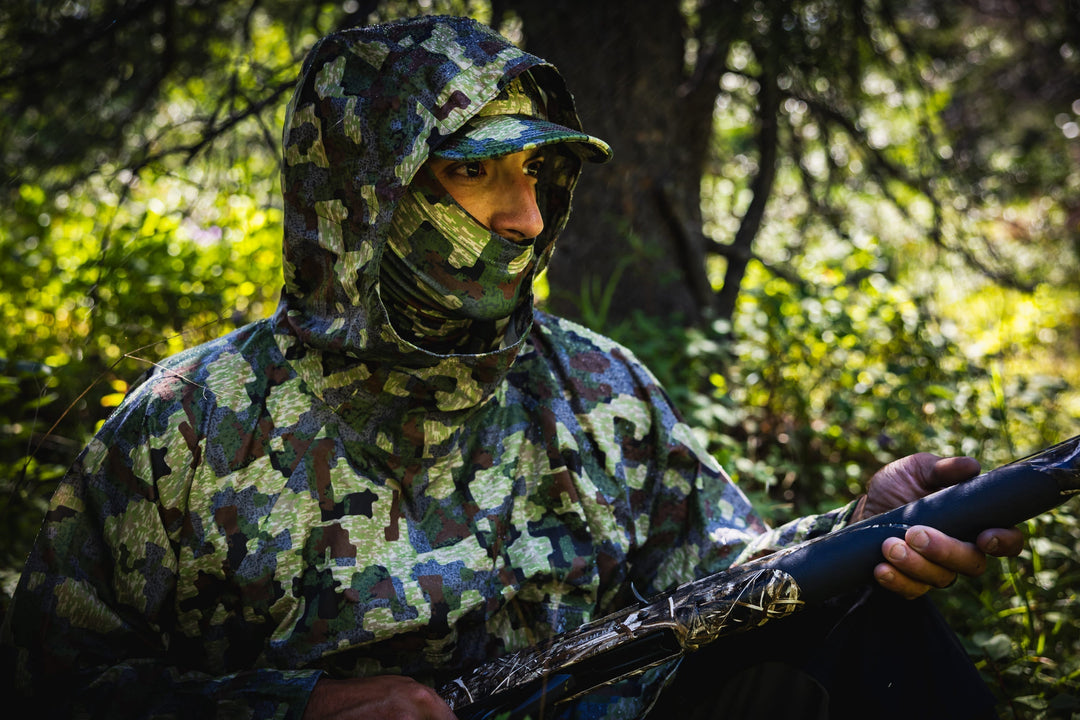
Your hunting base layer is the foundation of your outfit — and it’s also the foundation of staying warm, dry, and focused in the field. After all, a thoughtful layering system keeps you comfortable during long hours outdoors, regulates body temperature, and prevents chills that can end your trip early.
In this guide, we will explain why hunting base layers matter, compare different types of base layers, and help you choose the best base layer for your pursuit and the environment in which you’ll be hunting.
|
Table of Contents |
Why a Good Base Layer Matters for Hunters
A base layer is the first layer of clothing that sits closest to your skin, and is designed to regulate body temperature and manage moisture. A well-made hunting base layer keeps your core dry, warm, and odor-free so you can focus on the hunt, not your comfort.
For hunters, the best base layers for cold weather do more than just keep you warm. They’re part of a system built for performance, protection, and endurance.
Here’s why it matters:
- Temperature Regulation: A base layer helps balance heat through long hunts in shifting conditions. It keeps you warm during still moments and cool when the action picks up.
- Moisture Wicking: High-quality materials draw sweat away from your body, keeping you dry and preventing chills when temperatures drop.
- Odor Control: Odor buildup can give you away before you ever spot your target. Modern scent blocker materials are designed to minimize your scent profile in the field.
-
Comfort and Mobility: Lightweight stretch fabrics move with you — whether you’re climbing, crawling, or drawing your bow.
- Safety: Staying dry is critical to preventing cold-related illness when hunting in low temperatures.
Ultimately, a good hunting base layer keeps your body operating efficiently and comfortably so you can stay out longer, move farther, and hunt harder.
Types of Hunting Base Layers
The best base layers for hunting are built for performance—but not all materials perform the same. Choosing between Merino wool, synthetics, and lightweight blends depends on your hunting conditions, level of activity, and personal comfort.
Below, we’ll break down the main types of base layers so you can find the right fit for your hunt.
Merino Wool Base Layers
Merino wool is one of the most trusted materials in the outdoors industry. It’s a natural fiber that keeps you warm in the cold, cool in the heat, and comfortable all day long.
Key Benefits of Merino Wool:
- Naturally odor-resistant and breathable — perfect for scent-conscious hunters.
- Excellent thermal regulation — retains warmth in cold weather but won’t overheat you when the temperature rises.
- Soft and itch-free compared to traditional wool hunting clothes.
-
Moisture-wicking and quick-drying for maximum comfort during active hunts.
Best Merino Wool Base Layer: FORLOH Men’s Combat Wool Longsleeve Crewneck
If you’re looking for a premium base layer shirt, the FORLOH Men’s Combat Wool Base Layer Top combines natural Merino with synthetic fibers for enhanced durability and stretch. It delivers elite comfort, temperature control, odor resistance, and is proudly made in the USA.

Synthetic Base Layers (Polyester & Blends)
Synthetic base layers are typically made from polyester or polyester blends. They’re engineered for fast drying, high durability, and consistent performance in active or damp environments.
Key Benefits of Synthetic Base Layers:
- Fast-drying and durable — ideal for wet, cold, or fast-moving hunts.
- Lightweight and easy to layer under mid-layers or shells.
- More affordable than Merino wool, making them a great entry-level choice.
- High stretch and freedom of movement, perfect for long treks or spot-and-stalk hunting.
Our Synthetic Base Layer Pick: FORLOH Raider Half-Zip
FORLOH’s Raider Half Zip Fleece Pullover Top features advanced Polartec® Power Grid™ technology that delivers exceptional warmth without the bulk. Lightweight yet insulating, it’s built for high-output hunts where breathability and flexibility matter most. Consider how wool compares to fleece hunting clothes to choose the best fit for your next adventure.

Lightweight Base Layers
Lightweight base layers are perfect for mild or mixed-weather hunts, early-season trips, or as part of a versatile layering system. They’re designed to keep you dry, flexible, and comfortable when you’re on the move.
Key Benefits of Lightweight Base Layers:
- Breathable and fast-drying, ideal for warmer climates or active hunts.
- Flexible for layering under heavier gear as conditions change.
- Comfortable next-to-skin feel for all-day wear.
- Versatile and doubles as a standalone piece in early-season hunts or a base under insulation in winter.
When temperatures fall, pair your lightweight layer with an insulating mid-layer for balanced warmth and moisture control.
Best Lightweight Base Layers
- Long sleeve base layer shirt: The FORLOH Deep Space Long Sleeve Base Layer Shirt is ideal for dynamic hunts and features advanced space technology that traps warmth while wicking moisture.
- Base layer pants: Designed for the same next-to-skin comfort and thermal performance, the Deep Space Base Layer Pants offer scent control and breathable warmth for full-body protection in any condition.

How To Choose the Right Base Layer for Your Hunt
With so many options available, choosing the best base layer for hunting comes down to understanding your environment, hunting style, and how you’ll layer your gear. Here’s what to consider before you buy.
Climate & Season
Temperature and weather conditions play the biggest role in determining which type of hunting base layer you need.
- Cold Weather Hunts: When choosing the warmest base layer for hunting, look for heavyweight Merino wool or insulated synthetics that lock in heat and manage moisture. These are your go-to options when it comes to cold weather gear for winter or mountain hunts when you need to stay warm outdoors.
- Mild or Transitional Seasons: Midweight synthetics or Merino blends strike a balance between breathability and warmth.
- Warm Weather or Early Season: Lightweight polyester or Merino base layers help keep sweat off your skin and prevent overheating.
Hunting Style
Your movement level affects how warm or breathable your gear should be.
- Active Hunters: If you’re hiking ridges or spot-and-stalk hunting, lightweight synthetic layers help prevent overheating.
-
Stationary Hunters: For stand or blind hunting, Merino wool offers exceptional insulation and comfort during long, cold sits.
-
Mixed Activity: A Merino-synthetic blend can balance warmth, breathability, and odor resistance across multiple hunting styles.
Layering System
How you layer matters, and your base layer is just one part of an overall system. A proper layering system ensures moisture escapes and warmth stays in, which is critical for comfort and safety in cold climates.
- Pair with a breathable mid-layer (like fleece or down) and a weatherproof shell for maximum adaptability.
- Choose materials that complement each other to avoid trapping moisture inside your clothing.
Fit and Mobility
Base layers work best when they fit snugly against your skin. Look for four-way stretch fabrics that move with your body and flat seams to prevent chafing.
- Tight Fit: Maximizes moisture-wicking and thermal efficiency.
- Relaxed Fit: Better for layering multiple pieces or when comfort and airflow are priorities.
FAQ
What’s the warmest base layer for hunting?
Heavyweight Merino wool is typically the warmest base layer for hunting, offering superior thermal insulation even when damp. FORLOH’s Combat Wool Longsleeve Crewneck is a great example, as it combines wool’s natural warmth with added durability for extreme conditions.
Should I choose wool or synthetic for long hunts?
If your hunt involves multiple days in changing weather, Merino wool wins for comfort, odor resistance, and temperature control. However, synthetic base layers dry faster, making them ideal for wet or high-output environments. Many hunters use a combination of both depending on the season and terrain.
How many base layers should I wear?
Typically, one quality base layer—on the top and bottom—is enough. In extreme cold, you can double up with a lightweight layer underneath a heavier one. The goal is to trap heat without restricting movement or airflow.
Can I wear hunting base layers for hiking or fishing?
Absolutely. A good hunting base layer doubles as performance outdoor gear. They’re ideal for hiking, fishing, camping, or any cold-weather activity that requires moisture management and temperature control.